DREAM WORK
Your dreams speak
in images.
What are they trying
to tell you?
Dreams can bring us images, emotions, places, people, conflicts, and stories that seem strange or mysterious when we first wake. From a Jungian perspective, these images may offer a way of entering into conversation with parts of the psyche that are not easily reached through ordinary conscious thought.
Dream work is not about finding one “correct” interpretation. Together, we become curious about the dream, its images, your associations, and what may be unfolding beneath the surface.
THE APPROACH
The dream as a conversation.
Rather than treating a dream as a puzzle that someone else can simply solve for you, we approach it as a conversation with the unconscious.
We begin with the dream exactly as you remember it. We explore the setting, people, animals, objects, emotions, actions, colors, and details that seem to carry particular energy. Then we become curious about your personal associations with those images and what was happening in your life around the time of the dream.
Sometimes an image becomes especially important. Instead of immediately deciding what it means, we may stay with it, explore it from different perspectives, and ask what relationship it has to the rest of the dream and to your waking life.
“The question is not simply, “What does this symbol mean?” but “What is this dream asking me to notice?”
THE PROCESS
How we might work with a dream.
- 01
BRING THE DREAM
Tell the dream as fully as you remember it. Fragments are welcome. A single image, feeling, person, place, or strange moment may be enough to begin.
- 02
ENTER THE DREAM'S WORLD
We slow down and look closely at what actually happened in the dream rather than rushing immediately toward an explanation. Who was there? Where were you? What changed? What felt frightening, beautiful, confusing, familiar, or unusually important?
- 03
EXPLORE YOUR ASSOCIATIONS
We explore what the dream's people, places, objects, and images mean specifically to you. Your personal associations matter. The same image can carry very different meanings for different dreamers.
- 04
LOOK FOR THE DEEPER PATTERN
Using Jungian dream work as a framework, we may explore relationships between the dream and complexes, shadow material, archetypal themes, relationships, conflicts, transitions, or other movements occurring in your inner and outer life.
- 05
CONTINUE THE DIALOGUE
Sometimes the work doesn't end with interpretation. We may continue engaging an important dream image through reflection, writing, imagination, drawing, or dialogue and see what develops when we remain in relationship with it.
THE LANGUAGE OF IMAGES
Images have their own language.
A house may be more than a house. A stranger may evoke something we don't yet recognize in ourselves. An animal may arrive with an entirely different quality of instinct or energy. Water, roads, vehicles, rooms, clothing, death, birth, pursuit, flight, falling, and countless other images can become psychologically meaningful within the unique context of a particular dream.
But Jungian dream work does not reduce these images to fixed definitions. We consider your personal associations first and, when useful, explore broader cultural, mythological, symbolic, or archetypal parallels that may deepen the picture.
A Door
Water
A House

An Animal
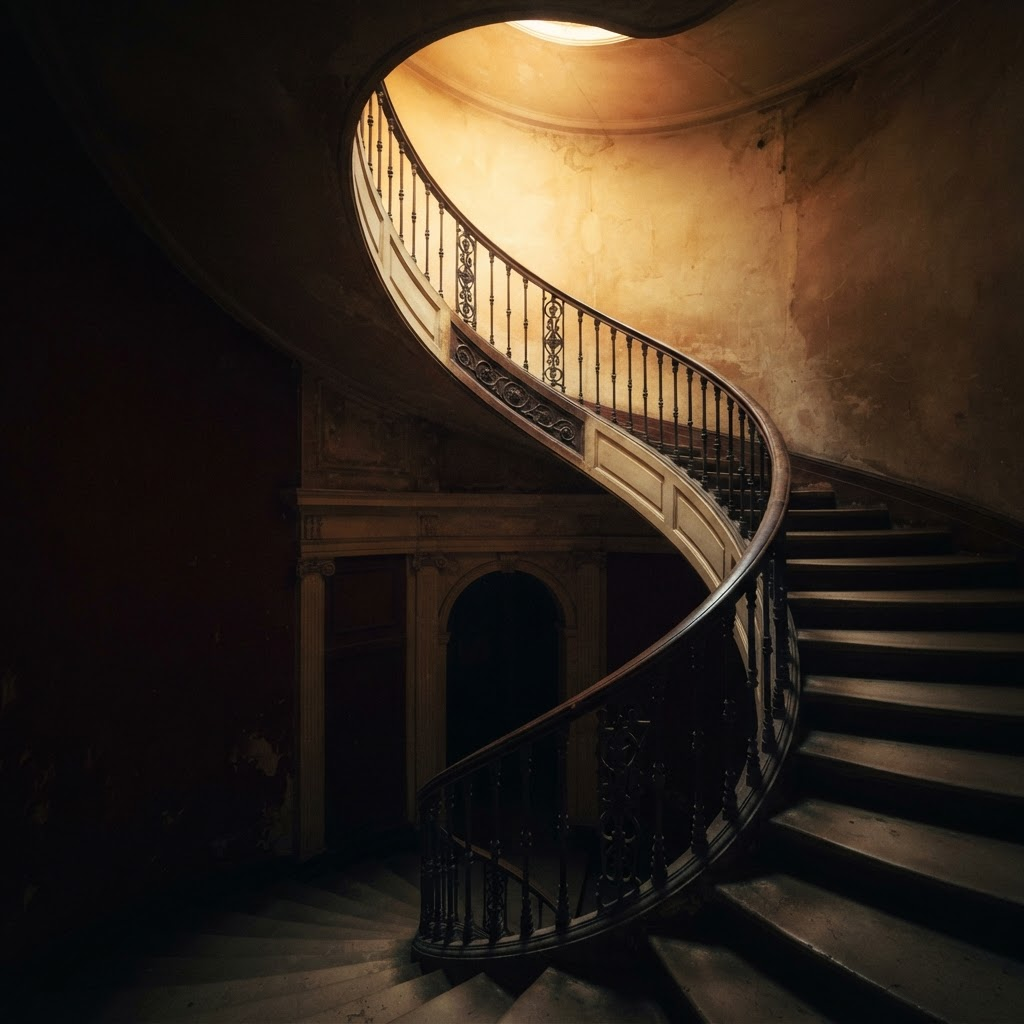
A Staircase
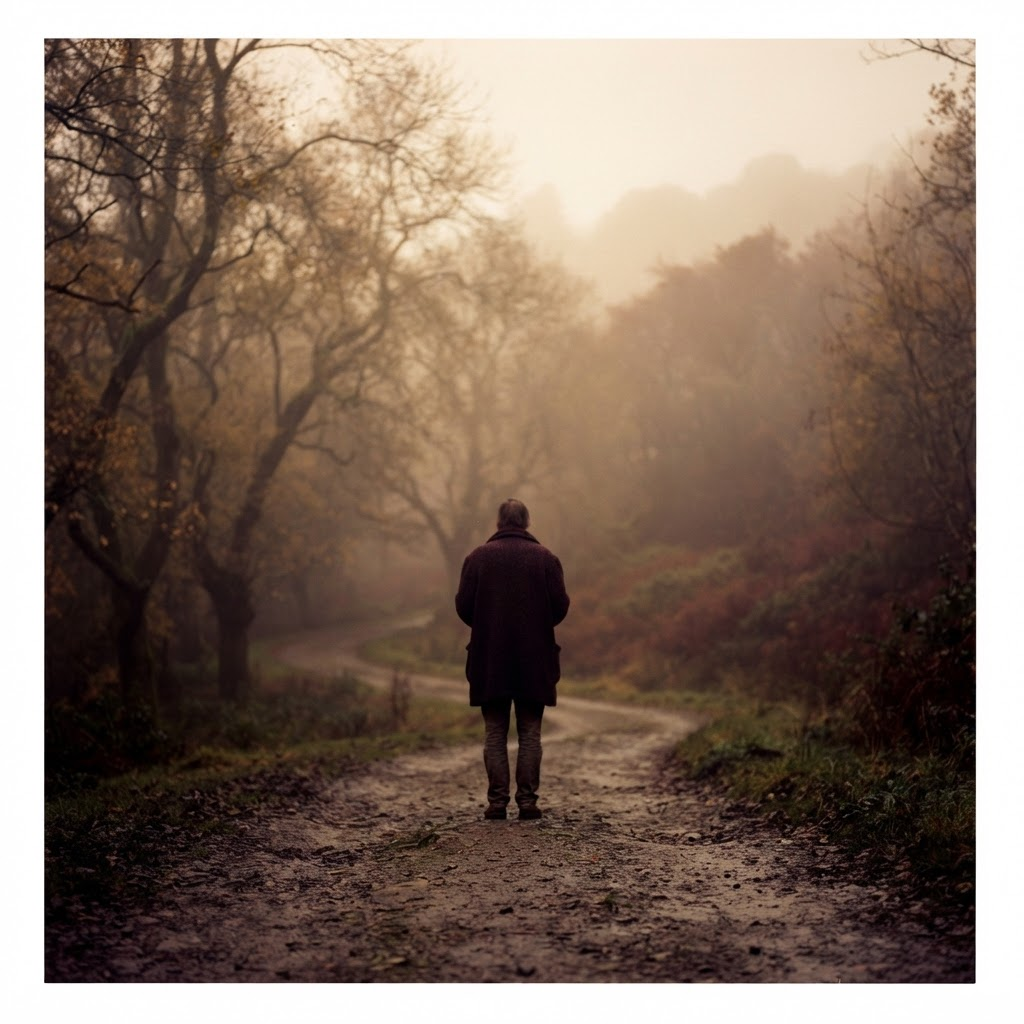
A Stranger
NO FIXED MEANINGS
There is no dream dictionary.
A snake does not automatically mean one thing. Neither does a house, death, water, a mother, a child, a wedding, an animal, or any other dream image.
Your history, associations, emotions, circumstances, and the structure of the dream itself all matter. Jungian dream work asks us to resist the temptation to flatten an image into a simple definition.
Sometimes broader mythology, folklore, religion, art, fairy tales, or cultural symbolism can help amplify an image. But those parallels are used to expand our curiosity, not replace your own experience.
The dream belongs first to the dreamer.
DIALOGUE WITH THE DREAM
Sometimes we let the image speak.
Some dream images continue to carry energy long after we wake. A mysterious person. An animal. A room we couldn't enter. A child. A house. A voice. A door we never opened.
When appropriate, we may return imaginatively to an important image and establish a dialogue with it. Instead of deciding intellectually what the image represents, we become curious about what happens when we remain with it.
What does the image want? What does it say? What changes when you respond to it? What happens next?
This kind of exploration can create a bridge between conscious awareness and material that initially appeared only through the dream.
COMING IN
What can I bring to a dream work session?
- A complete dream
- A fragment of a dream
- A recurring dream
- A nightmare
- A dream from years ago that still stays with you
- A recurring person, animal, place, or image
- A series of dreams that seem connected
- A dream you simply cannot stop thinking about
You do not need to understand the dream before bringing it. Not understanding it is often exactly where the exploration begins.
Dream work sessions are offered online and can be booked as individual sessions.
A SMALL PRACTICE
If you want to remember more of your dreams.
Keep a notebook or phone beside your bed and record whatever you remember as soon as you wake. Write the dream before trying to interpret it. Include small details, emotions, colors, people, places, unusual phrases, and anything that felt particularly vivid. Even fragments can become meaningful over time.
A NOTE ABOUT DREAM WORK
Dream work at Real Talk Reset is offered within Jungian coaching and personal-development work. It is intended for self-exploration, reflection, meaning, and personal growth and is not psychotherapy, diagnosis, or treatment of a mental health condition.
FOLLOW THE DREAM
Some dreams disappear by morning.
Others seem to ask us to follow them.
If a dream has stayed with you, we can begin there.